


Drones have changed the game, giving us a whole new perspective on the world around us. If you want to capture stunning aerial footage using drones, start by getting your hands on a top-quality drone with plenty of battery life. The key to getting smooth shots is to take it slow, keep your altitude consistent, and let the drone’s stabilization do its thing. It’s also important to think ahead and plan out your shots. Once you’ve got your footage, the real magic happens in the editing room. Just remember to always put safety first to avoid getting into hot water. With a bit of practice and these tips in mind, you’ll be creating stunning aerial videos in no time.
Stunning Aerial Footage Using Drones
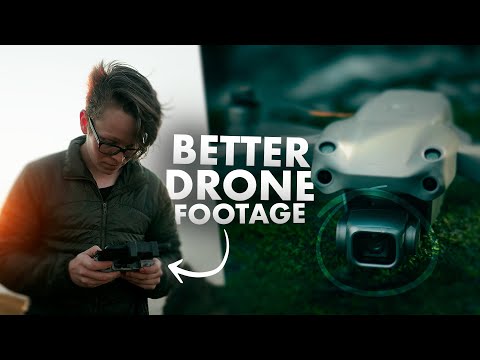
Drone filming is an incredible way to capture stunning visuals that regular cameras simply can’t match. By taking to the skies, I can shoot amazing aerial footage of landscapes, buildings, and events with unparalleled accuracy and sharpness. Seeing locations from a bird’s eye view is a creative and eye-catching way to showcase various settings and activities.
Aerial footage is a game-changer when it comes to making videos more dynamic. Those sweeping views and smooth camera movements really pull the audience into the scene, making them feel like they’re right there in the middle of the action. This is a huge plus when you’re trying to show off the grandeur and splendor of outdoor spaces or big events.
As drone tech keeps getting better, high-quality aerial shots are becoming more accessible to everyone. With improved stability and camera capabilities, even amateur filmmakers can create footage that looks like it was shot by the pros. This levels the playing field, letting more people share their unique viewpoints and fostering a community of enthusiasts who can collaborate and get creative together.
Essential Drone Equipment

To capture breathtaking aerial footage, the right drone equipment is a must. When you’re aiming for that perfect birds eye view, start with a quality drone equipped with a 4K camera. This ensures your footage is crisp and professional. Anti-collision systems and optical flow technology also provide the stability needed for smooth shots.
A drone with a long flight time is key. Look for a model with a 1,800mAh battery, which can offer up to 12 minutes of uninterrupted flight. That gives you plenty of time to capture stunning visuals. Safety features like obstacle detection sensors on all sides help protect your drone from crashes, so you can fly with confidence.
Innovative technology makes flying easier and helps your device last longer. Drones like the Ninja Dragon Blade K 4K are designed for easy maneuverability, making them a good choice for users of all skill levels. Even if you’re just starting out, you can achieve professional-grade aerial footage with the right equipment.
Best Locations to Capture

Capturing stunning aerial footage is a must along coastlines, with dramatic cliffs, sandy beaches, and iconic coastal highways. The visuals are cinematic, especially in 4K drone footage.
Other top locations:
- Flagler College in St. Augustine, FL: The Spanish Renaissance architecture of this picturesque college offers a unique backdrop for aerial tours. Historic buildings and lush greenery create an appealing contrast perfect for drone footage.
- Wheaton College in Wheaton, IL: In winter, this college becomes a scenic wonderland. Capturing creative perspectives and aerial views with a DJI Phantom 2, the snowy campus landscape makes for compelling drone footage.
- Salve Regina University in Newport, RI: The medieval French architecture and well-manicured campus of Salve Regina provide a visually rich setting for aerial videography. The intricate details of the buildings and gardens are best appreciated from above.
Exploring these locations with your drone not only provides incredible visuals but also connects you with a community of enthusiasts who appreciate the artistry and technical skill involved in capturing stunning aerial footage.
Techniques for Smooth Footage

Smooth drone footage relies on slow, deliberate movements and steady altitude. When I’m flying, I always move the drone gradually and evenly. Abrupt, shaky motions can spoil the cinematic effect. Keeping a stable height is just as critical for seamless transitions between shots, giving the video a polished appearance.
The camera stabilization tech in drones is a huge help in cutting down on jitters. It keeps the footage crisp and pro-grade. I’ve learned that mapping out my shots beforehand and drilling specific flying moves pays off big time. Having a clear idea of the angles and viewpoints I’m after keeps me on track and efficient in the air.
The time of day and how the light hits also make a real difference in the quality of aerial shots. That golden hour glow in the early morning or late afternoon tends to give the most striking and eye-catching results. By staying mindful of these factors, I ensure that the visual punch of my footage is top-notch. Putting all these methods together takes the smoothness and cinematic caliber of drone-captured footage to the next level, making the end product nothing short of breathtaking and totally pro.
Editing Tips and Tricks

When you’re editing aerial footage, color grading can make a big difference in how it looks. Tweaking the colors and contrast can set the mood you’re going for. Another key thing is to blend your shots together smoothly, so the video flows well and keeps people watching. Software like Final Cut Pro X has tools that make these jobs a lot simpler.
Color Grading Techniques
Color grading takes raw aerial footage and turns it into something amazing by making the colors look better. When I use drones to film beautiful landscapes, the first footage often doesn’t have the brightness and consistency it needs to really grab people’s attention. That’s where color grading comes in.
Let’s break it down:
- Tweaking Contrast and Brightness: By adjusting these settings, I can make the details in my footage stand out, ensuring shadows and highlights are balanced, creating a wider range of tones.
- Saturation and Color Balance: Increasing saturation helps bring out the brightness of the colors, while good color balance makes sure the shades look natural and appealing.
- Keeping a Consistent Look: Maintaining a uniform color style across all clips helps in telling a smooth story, making the whole video feel seamless and polished.
To get these effects, I use powerful tools like DaVinci Resolve and Adobe Premiere Pro. These programs give me precise controls, letting me fine-tune every part of my footage. Knowing color theory also matters a lot, as different colors can make people feel specific emotions, guiding my grading choices to improve the storytelling. By getting good at these techniques, I can take my drone footage to the level of professional-quality visuals.
Smooth Transition Effects
Capturing smooth aerial footage is an art, and the right editing techniques can make all the difference. When I’m working on a project, I dive into Final Cut Pro X to find the perfect blend of effects. Fades, wipes, dissolves – they’re all in my toolkit, ready to elevate my drone shots to the next level.
But it’s not just about slapping on a cool effect and calling it a day. Timing is everything. I’ll spend hours fine-tuning the pacing, making sure each transition flows seamlessly into the next. Sometimes, I’ll get creative with techniques like zoom-ins, rotations, or split screens. Anything to keep the viewer engaged.
At the end of the day, smooth blending is about more than just eye candy. It’s about storytelling. The right transition at the right moment can guide the viewer’s eye, keep them hooked, and make the whole experience feel polished and professional. It’s those little details that separate the amateurs from the pros.
Legal and Safety Guidelines
Flying drones commercially? Capturing stunning aerial footage is exciting, but playing by the rules is a must for safety and staying legal. Here’s what you need to know:
- Get Your Drone Registered
- No-Fly Zones are No Joke: Drones and crowds don’t mix, so steer clear of flying over people, stadiums, emergency scenes, airports, and restricted airspace. These areas are off-limits to keep everyone safe and prevent run-ins with other aircraft.
Frequently Asked Questions
How Do I Get the Best Footage With My Drone?
To get stunning drone footage, start by choosing a model with a high-quality 4K camera. Look for drones that offer optical flow technology, which helps stabilize the camera and produce smooth, professional-looking shots.
Another key feature to consider is an anti-collision system. This will help prevent crashes and keep your drone safe while you focus on capturing the perfect shot.
Battery life is also crucial. The longer your drone can stay in the air, the more opportunities you’ll have to explore different angles and perspectives.
Once you have the right equipment, it’s time to practice your flying skills. Experiment with different techniques, such as orbiting around a subject or slowly revealing a landscape. The more you practice, the more comfortable you’ll become with your drone’s capabilities.
How Can I Make My Drone Footage Look Better?
To get amazing drone footage, I use high-quality 4K cameras and fly with steady hands, thanks to built-in stabilization tech. Finding unique angles is key – think low to the ground or high in the sky for breathtaking shots. The magic really happens in the editing room, where pro software lets me fine-tune the visuals. Sharing my best work with other drone enthusiasts is a great feeling and keeps me connected to the community.
How Much is Drone Footage Worth?
Imagine capturing shots that take your breath away. That’s the power of drone footage. Prices can range from a couple hundred bucks to a few grand per hour, depending on the quality you’re after, the location, and how you plan to use the footage. Hiring a seasoned drone operator is worth the investment. They bring a level of skill that really makes the footage shine.
How Do You Smooth Out Drone Footage?
To get smooth drone footage, I use post-processing software like Adobe Premiere Pro. My drone’s GPS stabilization and gimbal control also help a lot when I’m filming. Another key is using gentle piloting techniques to capture really steady shots.