


Ever thought about how some videos are able to grab the thrilling, electric vibe of a live event so spot-on? As a seasoned cameraperson, I can tell you that it’s a complex dance of skill, art, and perfect timing when it comes to capturing the essence of live events on video. It’s not just about filming what’s happening in front of the lens, but figuring out where to aim the camera, deciding which moments to spotlight, and tying it all together to spin a tale that mirrors the live experience.
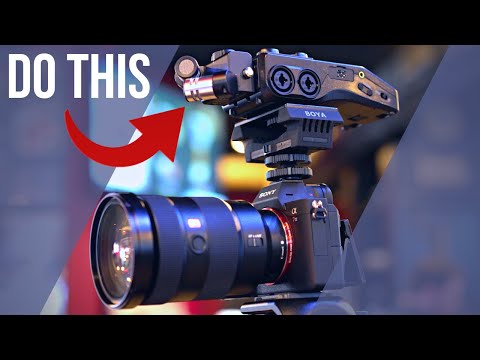
The real meat of a live event is its energy, those unscripted moments, and the crowd’s response – the stuff you can’t plan. How do you then knit these fleeting moments into a video that tells an engaging story? It’s a tough question to answer, but as we delve deeper into the subject, you’ll see that there’s a method to the madness that’s as intriguing as the events we aim to immortalize. If you’re stepping into event videography, it’s vital to equip yourself with the right gear. You’ll need cameras, tripods, stabilizers, lenses, and sound recording devices to fully capture every moment. Having extra batteries, memory cards, and storage devices at your disposal also makes for a smooth video production process. Being prepared for capturing the essence of live events on video is key.
In the realm of live event video, different types of cameras add variety and maintain viewer interest. A primary camera can be used for wide shots, a secondary one for close-ups, and even a smartphone for exclusive POV shots. This variety can make your content more engaging. However, don’t forget about audio. Noise from the event, background tunes, and speeches all contribute to the richness of your event recording.
Lastly, remember to consider lighting techniques, appropriate attire for presenters (if needed), and thorough sound checks. These elements can significantly affect the quality of your live video. It’s not just about documenting events; we’re crafting an experience for those who couldn’t make it.
 Before you start filming an event, it’s important to really understand what it’s about, its theme, and who will be watching the final video. These elements will guide your decisions during filming. This understanding helps me to create video content that truly speaks to its viewers.
Part of the process involves creating a shot list. You need to figure out which moments are the most important to capture and how best to film them. To get the most out of these moments, I use several cameras. This gives me a range of angles to choose from when editing and improves the overall video quality.
Testing the lighting and audio quality before the event is another crucial step. You need to make sure your equipment is set up well for the venue’s conditions and fix any potential problems. This helps to ensure high-quality video and audio.
After filming, you need to review the footage carefully. Select the best shots and organize them ready for editing. This helps to make sure you’ve captured the spirit of the event and can tell the story you want to tell. Lastly, think about where you’re going to share the video. Choosing the right platform lets you connect with your audience and keep the footage safe for future use.
 Covering live events creatively is more than just having a sharp eye. It’s about understanding the flow of the event and being ready to grab those spontaneous, magical moments. The aim is to capture the real-time feeling of the event, the unfiltered energy of the crowd, and the emotions shared by both spectators and performers.
Here’s how I make it happen:
 After filming is complete, the post-production process begins. I take a careful look at all the footage, noting down important parts that stand out. My role doesn’t end with the initial review. I watch the footage again to make sure we’ve picked the top 74 shots, which will help us create an enticing video.
Moving on to the editing phase, my goal is to create a narrative that captures the true essence of the event. I pay close attention to the color, sound, and transitions, making sure the video offers a smooth and enjoyable viewing experience.
In a nutshell, the post-production process, which includes reviewing and editing, is a detailed and careful process that turns your raw footage into a compelling story. The creation and post-production stages of your event video are key in shaping its narrative, but it’s the well-thought-out promotional strategies that really make sure it gets the recognition it deserves. As a professional who specializes in bringing live events to life on video, I understand the importance of arranging access and securing permissions for filming. This helps boost the video’s visibility during promotion and ensures its relevance in our local context.
Here are some of the core promotional tactics I use for event videos:
Essential Equipment for Event Videography
Planning and Storyboarding Techniques
Creativity in Live Event Coverage

- I start with broad shots to provide a sense of the environment and build context.
- Next, I switch to close-ups to grab the sound and power of the performance.
- I create short compilations of the best moments to summarize the event’s high points.
- Finally, when the filming is done, I get to work on editing and polishing the footage.
Post-Production: Reviewing and Editing

| Post-Production Step | How I Do It |
|---|---|
| Footage Review | I look at each shot closely, taking notes on its potential and impact. |
| Editing | I carefully select the top 74 shots and put them together in a detailed manner. |
| Color and Audio Monitoring | I adjust colors and audio levels to ensure a rich viewing experience. |
| Optimization and Promotion | I help your video reach the right audience by making it more searchable and shareable on social media. |
| Back-Up | I keep your footage safe to make sure it’s always accessible and preserved for the long term. |
Promotion Strategies for Event Videos

- Fine-tuning the video for search engines and social media
- Engaging the audience through responses to comments and encouraging sharing
- Showcasing the video on various social media platforms
- Repurposing video clips for marketing or educational uses
Frequently Asked Questions
What Is a Video Event Summary?
Think of a video event summary like a snapshot of a live event. It’s my job to gather the best parts, spotlight the speakers, and craft a story that brings you right into the heart of the action, almost as if you were there in person.How Do You Take a Video for an Event?
I dig deep into what the event about, who’ll be there, and what the highlights might be. Then I make sure I’ve got the right kit for the job – I’m talking about the camera, the microphones, the lighting, everything. I always have to make sure I’m prepared for any lighting or sound conditions I might encounter. I have a game plan for what shots I want to capture, but I’m also ready to think on my feet if anything unexpected happens. Once all the action is over, I go through all the footage, put it all together in a way that tells the story of the event, and then share it with the worldWhat Is the Recap Video of the Event?
A recap video serves as a reminder of an event. It captures the best parts, the overall vibe, and the key moments, weaving them into an engaging tale. It’s the story we all share, a lively reminder of a shared experience.Planning coverage for your own event? See our event video production packages.